

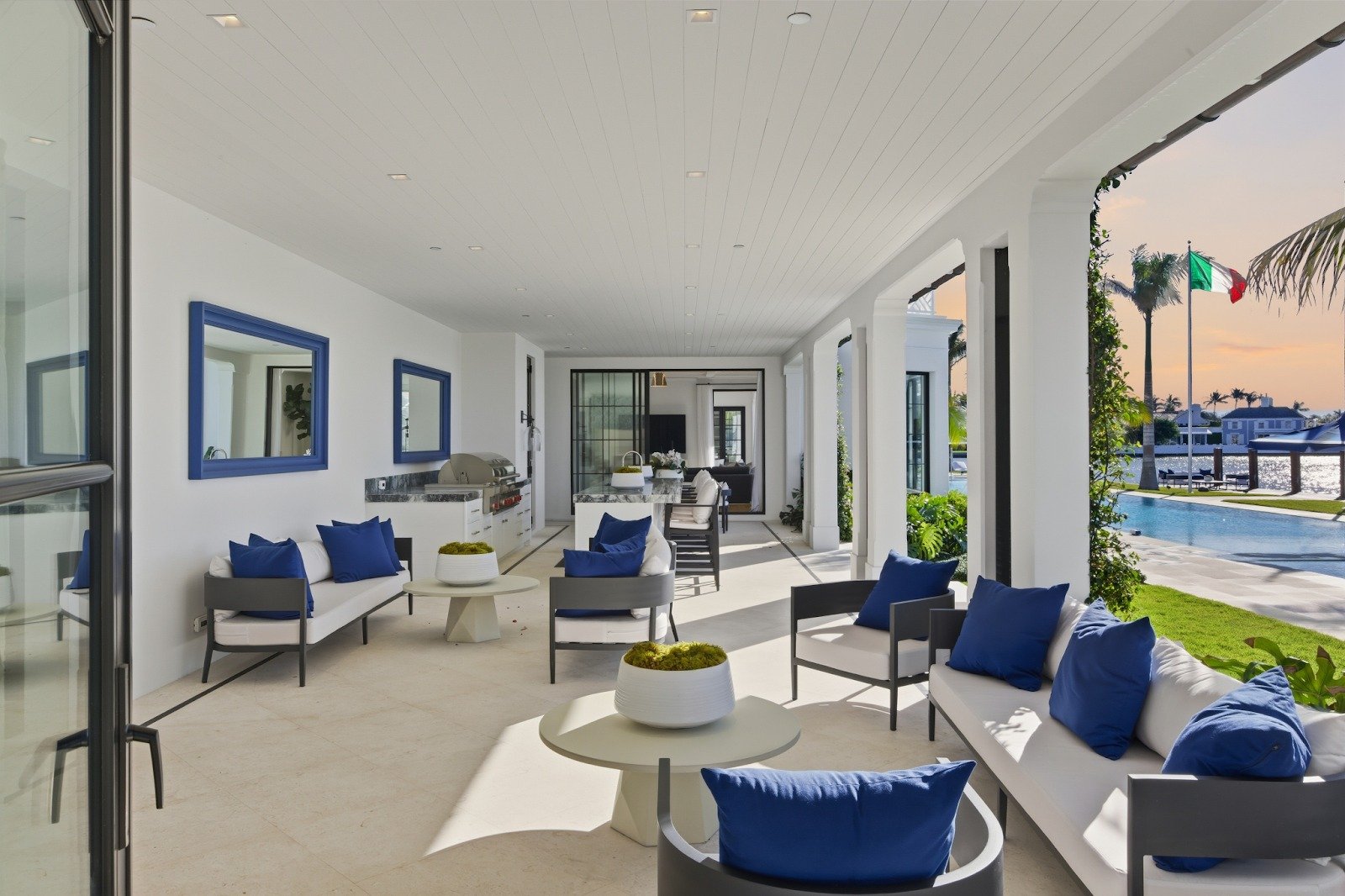
A real estate photo does not need to impress photographers. It needs to pass a simpler test: can it be published without hesitation?
That’s what “listing-ready” actually means.
Most problems in real estate photo editing don’t come from missing creative effects. They come from skipping basic corrections or applying them inconsistently. When foundational edits aren’t handled properly, listings feel unpolished, even when viewers can’t identify the exact issue.
Listing-ready images follow a clear minimum standard. This article breaks down that baseline, not best practices or extras, but the essential edits every real estate photo must have before going live.
What “Listing-Ready” Really Means
A listing-ready photo meets three conditions:
- It represents the property accurately
- It looks consistent with the rest of the listing
- It doesn’t distract or confuse the viewer
Real estate photo editing exists to meet these conditions. Anything beyond them is optional.
Defining a minimum standard matters because, without one, editing becomes subjective. That subjectivity leads to inconsistent results across images and listings.
The Core Editing Standard Every Listing Requires
There are five non-negotiable edits that determine whether a photo is ready for publication. If even one is missing, the image usually feels incomplete.
1. Correct Sky Placement
Exterior photos often suffer from blown-out skies or flat, gray backgrounds. A listing-ready image needs a sky that looks natural and balanced, not dramatic.
In real estate photo editing, proper sky placement means:
- Matching brightness to the property
- Preserving roof edges and fine details
- Avoiding unnatural or oversaturated colors
The sky should support the image, not become its focal point.
2. Accurate Window Masking
Windows are one of the most common failure points in real estate photo editing. Without proper masking, interiors appear dark or exterior views look artificial.
A listing-ready photo requires:
- Clear visibility through windows
- Even interior lighting
- No glowing edges or color bleed
Window masking is a precision task. It’s not achieved through global brightness adjustments.
3. Clean White Balance
White balance plays a major role in buyer trust. When it’s off, walls turn yellow, floors look gray, and materials lose accuracy.
The minimum standard for listing-ready photos includes:
- Neutral wall colors
- Accurate flooring and surface tones
- Consistency across all images in the listing
White balance is a structural correction, not a stylistic preference.
4. Camera and Reflection Removal
Cameras, tripods, and reflections instantly break immersion. A listing-ready image should feel clean and distraction-free.
Proper camera removal in real estate photo editing:
- Preserves reflections and textures
- Avoids blur or patching artifacts
- Leaves no visible editing marks
This step is subtle, but skipping it lowers perceived quality immediately.
Tools like Endzone Video can further enhance real estate presentations by integrating polished video walkthroughs alongside your edited images, providing a seamless and professional viewing experience.
5. Vertical Straightening
Even slight perspective distortion changes how space is perceived. Crooked walls make rooms feel unstable or poorly built.
Listing-ready photos must have:
- Straight walls and door frames
- Balanced proportions
- No unnatural stretching
Vertical straightening isn’t about perfection, it’s about structural credibility.
What Does Not Define Listing-Ready
It’s just as important to clarify what falls outside the minimum standard.
Manual Sorting Is Not Editing
Sorting files or organizing images is a workflow task. It has nothing to do with HDR merging or image correction and should not be confused with real estate photo editing quality.
Heavy Staging Is Optional
Bulk furniture removal and extensive virtual staging can enhance a listing, but they are not required for a photo to be listing-ready. They don’t fix foundational issues.
Core Editing vs Add-Ons
A clean workflow separates essential corrections from optional enhancements.
Core image editing includes:
- Sky placement
- Window masking
- White balance correction
- Camera removal
- Vertical straightening
These determine whether a photo is usable.
Add-ons include:
- Virtual twilight
- Grass greening
- Virtual staging
Add-ons can increase appeal, but they should never compensate for weak core edits.
Consistency Is Part of the Standard
One good photo doesn’t make a listing ready. Consistency across all images does.
Reliable real estate photo editing delivers:
- Uniform lighting and color
- Predictable output across batches
- Faster listing approvals
Platforms such as AutoHDR apply this core-first approach by standardizing essential corrections before offering optional add-ons.
Final Thoughts
Listing-ready photos don’t rely on trends or dramatic enhancements. They rely on fundamentals done correctly, every time.
When real estate photo editing meets a clear minimum standard, images feel natural, professional, and trustworthy. Anything beyond that is a choice, not a requirement.
Some photographers also offer giclee printing of select images, providing high-quality, collectible prints that showcase the property in exceptional detail for presentations, client gifts or marketing materials.
That’s what makes a photo truly ready to represent a property.