

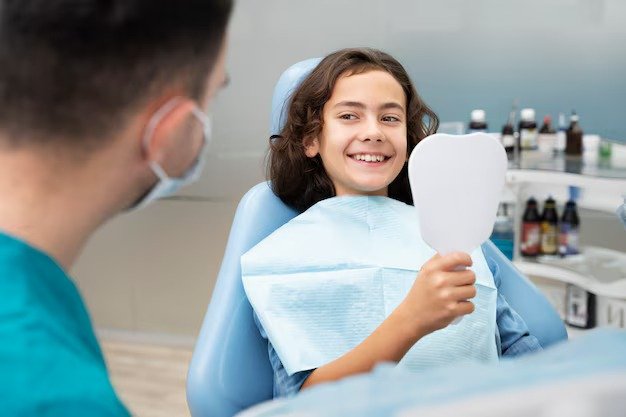
Many parents are told to wait until all permanent teeth come in before thinking about orthodontic care. On the surface, that advice sounds reasonable. Why start early if a child’s mouth is still changing? But in reality, waiting too long can quietly create problems that are harder, longer, and more expensive to fix later.
This is where children’s orthodontics often gets misunderstood. Early orthodontic care is not about putting braces on young kids. It is about understanding growth, timing, and knowing when not acting can limit future options.
Growth Windows Don’t Wait for Permanent Teeth
A child’s jaw does most of its growth before the teenage years. This growth happens whether orthodontic treatment is involved or not. Once that growth window closes, it cannot be reopened.
In children’s orthodontics, orthodontists pay close attention to these growth phases. Certain issues, such as narrow jaws, crossbites, or severe crowding, respond best when the bones are still developing. Waiting until all permanent teeth erupt can mean missing the chance to guide that growth naturally.
At that point, solutions may become more complex. What could have been managed with growth guidance may later require longer treatment or even surgical options in severe cases.
Monitoring vs Treating: A Key Difference Parents Should Know
One of the biggest misconceptions in children’s orthodontics is that an early visit always leads to immediate treatment. That is rarely the case.
Early orthodontic evaluations are often about monitoring, not treating. An orthodontist may simply track how the teeth and jaws are developing over time. This allows small problems to be watched closely instead of reacting after they become bigger issues.
Monitoring gives families clarity. It replaces guesswork with informed decisions and prevents last-minute surprises when a child is older.
When Delaying Can Make Problems Worse
Some orthodontic issues do not stay the same as a child grows. They slowly get worse.
For example, a narrow upper jaw may lead to crowding, bite problems, or breathing concerns. If addressed early, expansion may work smoothly while the bone is still flexible. If delayed, the same issue can require more aggressive approaches.
In children’s orthodontics, timing is often more important than the appliance itself. Early guidance can reduce how much treatment is needed later, even if braces are still part of the future plan.
Early Care Is About Reducing Future Burden
Parents sometimes worry that early orthodontic visits mean “double treatment.” In reality, thoughtful early care often shortens or simplifies later treatment.
By guiding growth early, orthodontists can:
- Create space for permanent teeth to erupt properly.
- Improve bite alignment as the jaws develop.
- Reduce the risk of tooth extractions later.
This approach reflects a preventive mindset. In children’s orthodontics, the goal is not to rush treatment but to make future care more predictable and manageable.
Every Child Develops Differently
There is no universal age that works for every child. Some children may need early intervention, while others benefit from observation only. This is why blanket advice to “wait until all permanent teeth come in” can be misleading.
Children grow at different rates. Jaw development, tooth eruption, and facial structure vary widely. An individualized evaluation allows decisions to be based on biology rather than age alone.
This personalized approach is central to responsible children’s orthodontics and helps families avoid unnecessary treatment as well as unnecessary delays.
The Long-Term Consequences of Waiting Too Long
When orthodontic concerns are ignored or postponed, they do not simply pause. They continue developing along with the child.
Delays can lead to:
- Increased crowding that limits alignment options.
- Bite issues that affect chewing and tooth wear.
- Longer treatment times during the teen years.
In many cases, parents are surprised to learn that earlier evaluation could have reduced these challenges. Children’s orthodontics focuses on prevention and foresight, not quick fixes.
Why Evaluation Is Not a Sales Pitch
A proper orthodontic evaluation should feel informative, not persuasive. It should explain what is happening, what might happen next, and what options exist.
Some practices, such as a modern orthodontic office that emphasizes patient education over procedures, focus on giving families clear explanations rather than pushing early appliances. The value lies in understanding timing, not selling treatment.
This philosophy reflects the true purpose of children’s orthodontics: helping families make confident, informed choices based on growth and development.
Final Thoughts
Waiting for all permanent teeth before considering orthodontic care may seem harmless. However, it can quietly limit future options. Children’s orthodontics is not about rushing into braces. It is about recognizing growth windows, monitoring development and preventing avoidable complications.
An early evaluation by experts like Textbook Orthodontics offers insight, not obligation. By knowing how timing affects outcomes, parents can protect their children’s long-term oral health and avoid the hidden costs of waiting too long.