

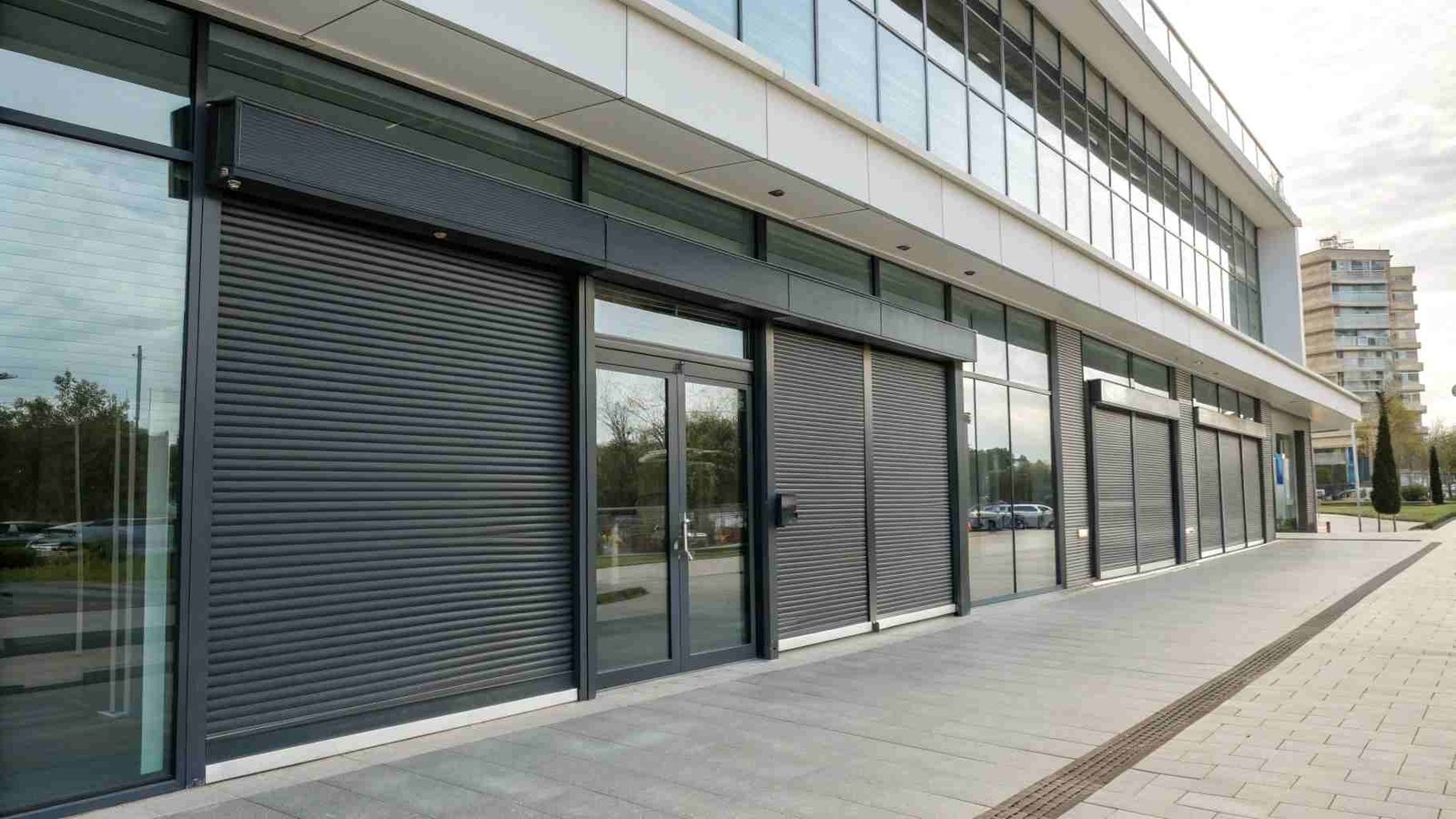
Commercial architecture no longer revolves around dull boxes and harsh lines. Modern buildings aim to inspire confidence, reflect brand identity, and communicate purpose before a customer ever steps inside. Every visible element now carries weight in shaping perception.
Roller shutters, once treated as purely functional barriers, have entered this new design conversation. Architects and designers now view them as architectural components rather than mechanical necessities.
Roller shutters once symbolised brute security and industrial utility. Their appearance often clashed with creative storefronts and polished façades. Many businesses accepted this visual compromise as unavoidable. That assumption has faded rapidly in recent years. Design innovation has repositioned roller shutters as adaptable features that complement modern architecture.
So, let’s see how you can design your commercial roller shutters in Melbourne
The Shift from Industrial Eyesore to Design Statement
Earlier generations of roller shutters focused on thickness and rigidity alone. Visual appeal rarely entered the design brief. Shutters appeared bulky, ribbed, and aggressively metallic. This aesthetic suited factories and warehouses. Retail spaces suffered visual damage as a result.
Modern commercial architecture values clean lines and visual balance. Architects now demand shutters that blend seamlessly with façades. Designers expect shutters to disappear when open and impress when closed. This dual role challenges manufacturers to rethink traditional forms.
Perforated roller shutters illustrate this design shift clearly. These shutters allow visibility while maintaining security. Storefronts retain transparency even after business hours. The building continues to communicate openness rather than hostility.
This approach benefits retail environments greatly.
Material Innovation and Architectural Compatibility
Material choice plays a central role in modern shutter design.
- Aluminium dominates contemporary commercial projects. This metal offers strength without visual heaviness, and supports precision manufacturing with sleek finishes.
- Steel remains relevant for high-risk applications. Modern processing methods reduce steel bulk significantly. Powder-coated steel achieves elegance without sacrificing resilience. This balance suits banks, data centres, and secure facilities.
- Polycarbonate inserts represent another architectural evolution. These inserts introduce light transmission into shutter designs. Buildings maintain visual engagement while protecting interior spaces.
Material finishes now match surrounding architectural elements. Shutters adopt tones that mirror window frames and cladding panels. Visual continuity becomes achievable across entire façades.
Colour as a Design Language
Colour once remained absent from roller shutter discussions. Grey and silver dominated commercial installations. Modern architecture rejects such monotony. Colour now functions as branding and expression.
Powder coating technology allows near limitless colour options. Shutters now echo corporate palettes precisely. Retail brands reinforce identity even after closing. Buildings retain personality during inactive hours.
Neutral tones still play important roles.
- Matte black suits luxury storefronts effectively.
- Soft greys complement minimalist architecture gracefully.
- Earth tones blend with natural materials like timber and stone.
Gloss levels influence perception significantly, while matte finishes communicate sophistication. Architects choose finishes deliberately to shape emotional response.
Perforation Patterns as Architectural Texture
Perforation design offers remarkable creative freedom. Patterns transform shutters into textured surfaces, and buildings gain depth even when closed. This transformation elevates security into visual art.
Circular perforations remain popular for retail spaces. These shapes feel approachable and rhythmic. Light filters through softly during evening hours. The effect feels inviting rather than defensive.
Further:
- Geometric patterns appeal to contemporary architecture.
- Linear perforations echo modern façade grids.
- Angular designs communicate strength and precision.
Each pattern supports architectural storytelling.
Custom perforations enable branding through subtle repetition. Logos appear abstract rather than obvious, and identity embeds into structure quietly. This restraint appeals to modern sensibilities.
Automation and Invisible Technology
Modern architecture celebrates seamless functionality. Visible mechanisms disrupt visual harmony, but automation supports architectural cleanliness. Motorised shutters eliminate chains and handles.
Concealed motors preserve clean surfaces. Remote operation enhances usability without visual clutter. Buildings feel intelligent rather than mechanical. This intelligence aligns with smart architecture trends.
Automation also improves safety for staff. Smooth operation reduces physical strain, so businesses protect workers while enhancing aesthetics. Design and ethics converge naturally.
Integration with building management systems increases architectural sophistication. Shutters respond to schedules and sensors, ensuring buildings behave dynamically. This way, architecture feels responsive rather than static.
Acoustic Control and Urban Design
Roller shutters assist with acoustic buffering, so commercial spaces near traffic benefit greatly. Sound intrusion reduces during non-operational hours.
Industrial zones adjacent to residential areas gain harmony. Shutters absorb and deflect noise effectively. Businesses meet compliance requirements, while communities experience improved coexistence.
This level of superior acoustic performance enhances workplace comfort. Employees operate in calmer environments, and productivity improves subtly.
Balancing Security and Visual Softness
Security remains the core purpose of commercial roller shutters. Modern design reframes its expression and buildings feel protected without intimidation.
Thicker slats now appear slimmer through refined profiling. Strength hides within elegance, and architecture communicates assurance rather than fear. This balance proves essential for modern retail.
Commercial Identity Through Shutter Design
Brand expression extends beyond signage today. Roller shutters contribute to brand storytelling, where design choices reinforce identity even when closed.
- Luxury brands favour restrained elegance. So, minimal perforation supports exclusivity, whereas subtle finishes suggest premium quality. Architecture reflects brand values silently.
- Youth-focused brands embrace bold colours and patterns. Vibrant shutters energise streetscapes. Personality shines during every hour. Design becomes marketing.
- Corporate offices prefer understated cohesion, so shutters align with glass and metal façades. Professionalism remains intact and visual noise stays minimal.
Conclusion
Designing roller shutters for modern commercial architecture requires more than engineering skill. It demands sensitivity to form, function, and human experience. Shutters must protect without overpowering. They must complement rather than contradict architectural intent.
Modern roller shutters demonstrate that security and beauty coexist comfortably. Thoughtful materials, colours, and integration techniques transform perception. What once felt necessary now feels intentional. If you want to install new roller shutters for your premises, you can contact Complete Opening Systems. They can help you with a wide variety of roller shutters.
Looking for more Article? Check out my website for the latest content.