

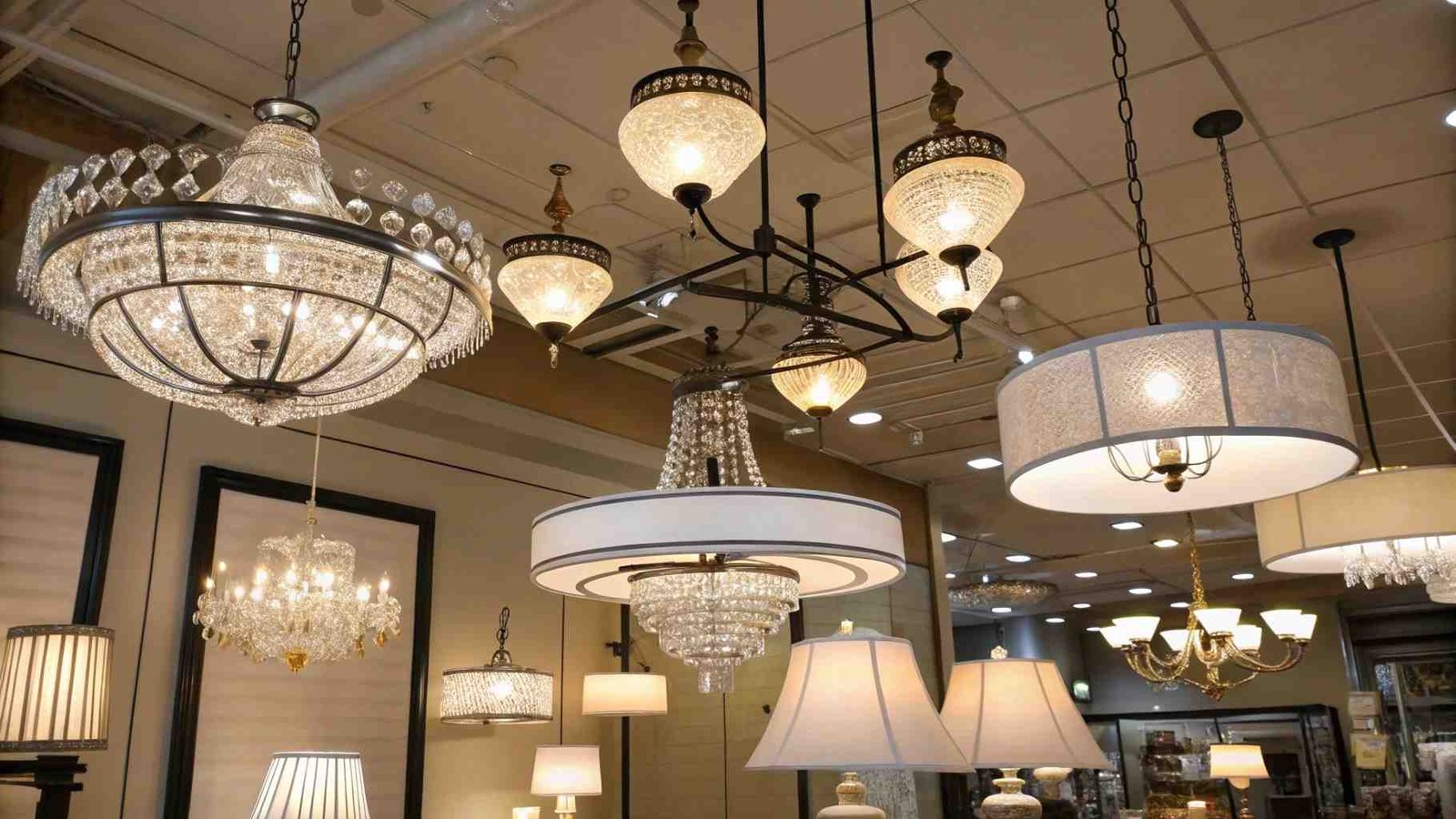
People usually overlook the importance of lighting in one’s life. Actually, light fixtures define your space’s character and affect your daily comfort. Your selections must balance how a room looks with how you need it to work. The correct lights make a room feel both beautiful and purposeful. Every fixture you choose should have a clear role in your overall design plan.
The hunt for the perfect fixture requires you to weigh several key details. Think about the room’s primary activity, your specific style goals, and your technical needs. For focused work areas, some people choose items like designer task lamps by Visual Comfort for desks, reading corners, and styled workspaces. This careful consideration turns a simple purchase into a smart investment for your home. The right light becomes a permanent part of your home’s story.
Start with the Room’s Purpose
The main function of a room dictates the type of light you require. A kitchen needs clear, bright light for safe meal preparation. A bedroom, however, benefits from soft, warm light that encourages relaxation.
Your fixture should serve the primary actions that happen in that space. The wrong light can make a room feel either too harsh or too dim for its use. Always match the light’s intensity and quality to the room’s core activity. This principle is the most important factor in your selection process.
Define Your Style and Scale
Your home’s decor style guides your fixtures’ aesthetic. A modern room may suit a sleek, geometric pendant with clean lines. A traditional space could handle an ornate chandelier with crystal details.
The fixture’s size must also fit the room’s physical proportions. A lamp that is too large will overwhelm the furniture around it. A lamp that is too small will look lost and fail to make an impact. Hold a cardboard cutout or use tape to outline the fixture’s size on your ceiling before you buy.
Select the Right Task Lighting
Task lighting provides direct, focused light for specific jobs. It is essential for any activity that demands visual precision and clarity. Good task lamps reduce eye fatigue and improve your ability to concentrate.
The fixture should cast a bright, shadow-free beam right where you need it. Adjustable arms and swivel heads offer the most flexibility for changing needs. You can find many high-quality options on the market, such as the popular designer task lamps by Visual Comfort for desks, reading corners, and styled workspaces. Their focused light and refined style support both function and a polished look.
Consider Ambient Light Quality
Ambient light is the general, fill light that washes a room. It sets the foundational mood and eliminates dark, gloomy corners. This layer comes from sources like ceiling mounts, chandeliers, or wall sconces.
The quality of this light is just as vital as its quantity. You want a source that diffuses light evenly without any harsh glare. The fixture should complement the room’s purpose—brighter for active spaces, softer for quiet retreats. This layer makes every other light in the room perform better.
Factor in Dimmers and Controls
Dimmer switches give you complete command over a room’s atmosphere. They allow you to adjust the light level for any time of day or activity. A dining room can shift from bright for homework to soft for a dinner party.
This simple addition extends the life of your light bulbs. It also reduces your overall energy consumption with a simple slide of a switch. Plan to install dimmers on primary light sources during your initial wiring setup. This forward-thinking choice adds immense value and flexibility to your home.
Prioritize Placement and Height
Where you install a fixture determines its effectiveness and visual impact. A pendant light over a table should hang low enough to feel intimate but high enough to see across. General rulebooks suggest 30 to 36 inches from the tabletop to the bottom of the fixture.
Wall sconces should be placed at eye level to frame a mirror or highlight art. Recessed lights require a thoughtful layout to avoid a cluttered ceiling appearance. Always consult an electrician or designer for the optimal placement in your specific room. Proper placement is the final step that makes your lighting plan feel complete. Choosing indoor lighting is a thoughtful blend of art and practicality. Your decisions shape how you live in and experience your home every day. Take your time to balance beauty, function, and quality in every selection. The perfect fixture not only lights your room but also lifts your spirit. Let your lights tell the story of the life you want to live in your space.
Looking for more Article? Check out my website for the latest content.