

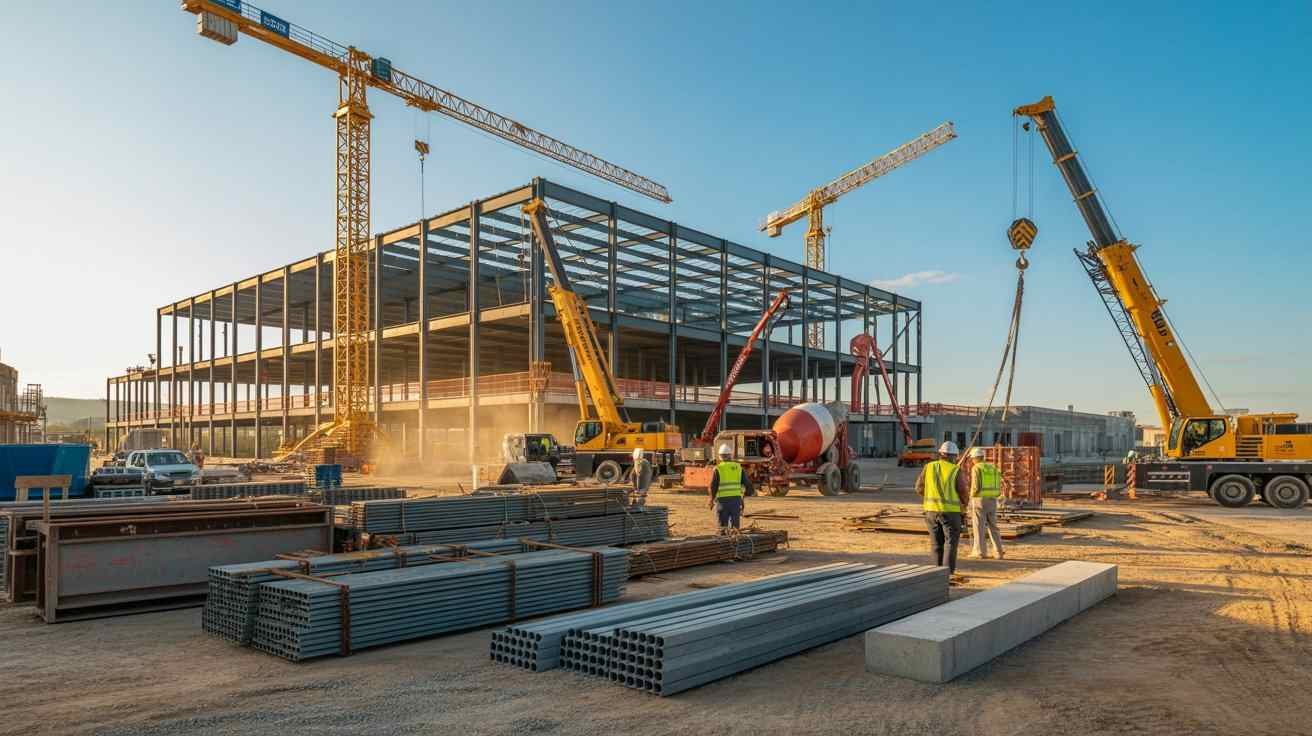
Commercial construction has changed rapidly in recent years due to the use of modern technology. Today, general contractors are no longer dependent only on manual planning and traditional methods. Advanced digital tools, smart systems, and data-driven solutions are helping construction companies complete projects faster, safer, and more efficiently. This transformation is especially important for large commercial projects that require careful coordination and high-quality execution.
The Growing Role of Technology in Commercial Construction
Technology now plays a key role in every stage of commercial construction, from project planning to final delivery. Tools like digital blueprints, project management software, and cloud-based collaboration platforms allow contractors to manage complex tasks with better accuracy. These solutions reduce errors, save time, and improve communication between teams, architects, and clients.
With modern systems, construction companies can track progress in real time, manage resources effectively, and ensure projects stay within budget. This level of control is essential for commercial developments where deadlines and quality standards are strict.
How Digital Tools Improve Project Planning
Project planning is one of the most critical phases of commercial construction. Advanced software helps contractors create detailed schedules, allocate resources, and identify potential risks before construction begins. Digital planning tools also allow teams to visualize the project and make adjustments early, which helps avoid costly delays later.
Professional firms such as MPS Engineering & Construction use structured planning methods and modern project management practices to handle commercial construction projects efficiently. As an experienced general contractor serving Berkeley, Dorchester, and Charleston counties in South Carolina, MPS focuses on quality workmanship, clear communication, and timely project completion. You can learn more about their services here:
Technology and Safety in Construction Projects
Safety is a top priority in commercial construction, and technology has greatly improved safety standards across the industry. Digital monitoring systems, smart equipment, and real-time reporting tools help reduce workplace accidents. Contractors can identify hazards early and ensure safety protocols are followed on site.
By using modern safety solutions, construction companies protect workers and maintain compliance with industry regulations. This not only reduces risks but also builds trust with clients and stakeholders involved in commercial projects.
Efficient Communication Through Smart Construction Systems
Clear communication is essential for successful construction projects. Technology allows seamless communication between contractors, subcontractors, engineers, and clients. Cloud-based platforms ensure that everyone has access to updated documents, schedules, and reports at any time.
This improved coordination leads to fewer misunderstandings and smoother project execution. For commercial construction projects that involve multiple teams and phases, efficient communication makes a major difference in overall success.
Sustainability and Smart Construction Solutions
Modern commercial construction also focuses on sustainability. Technology helps contractors use energy-efficient materials, reduce waste, and follow environmentally responsible practices. Smart construction tools allow better material planning and reduce unnecessary costs, which benefits both businesses and the environment.
Sustainable construction methods are becoming increasingly important for commercial projects, as clients now expect long-term value and eco-friendly solutions.
Why Experienced General Contractors Matter
While technology is important, experience and expertise remain essential in commercial construction. Skilled general contractors know how to combine advanced tools with practical knowledge to deliver reliable results. Choosing the right contractor ensures projects are completed according to plan, budget, and quality standards.
Companies that understand both modern technology and traditional construction principles are best equipped to handle today’s complex commercial projects.
Conclusion
Technology has become a powerful driver of change in commercial construction. From project planning and safety to communication and sustainability, modern tools help general contractors deliver better results. By combining experience with advanced construction technology, professional firms continue to shape the future of commercial development with efficiency, quality, and trust.
Looking for more Article? Check out my website for the latest content.