

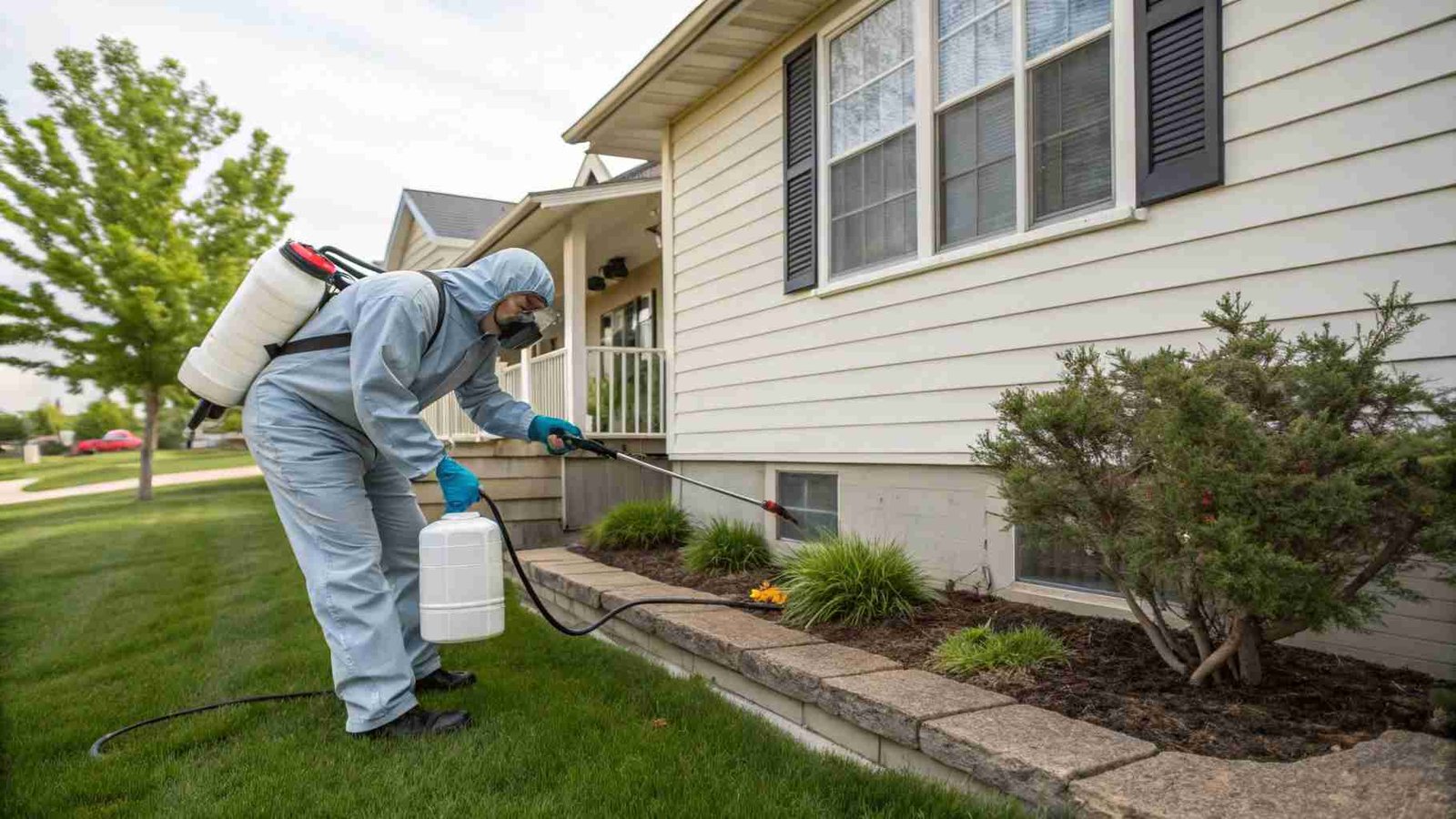
A pest-free home rarely happens through a single visit from an exterminator. Pests follow patterns linked to seasons, moisture levels, food sources, and structural gaps. Because of this, professional pest control works best as a continuing process rather than a one-time solution. Periodic retreatments help maintain control after the initial service addresses the visible problem.
These follow-up visits from apest exterminator focus on prevention, early detection, and long-term protection. Homeowners who commit to routine services usually experience fewer surprises and less stress. Over time, the home stays healthier, cleaner, and more comfortable. This steady approach supports lasting peace of mind.
Early Detection Prevents Large Infestations
Periodic retreatments allow exterminators to spot early warning signs before pests spread. Small droppings, shed skins, or entry points become clear during routine inspections. These clues may escape notice during daily life. A trained professional recognizes subtle changes in pest activity. Early detection reduces the chance of a minor issue turning into a major infestation. Fewer pests mean less damage to walls, wiring, and stored items. The home remains safer as a result. Costs stay lower since minor treatments require fewer resources. Regular visits create a proactive routine rather than a reactive scramble. This steady watch keeps pest populations under control. Long-term protection starts with early awareness.
Seasonal Pest Patterns Receive Proper Attention
Different pests appear during different times of the year. Ants and mosquitoes thrive during warmer months, while rodents seek shelter as temperatures drop. Periodic retreatments allow exterminators to adjust methods based on seasonal shifts. Treatments align with the life cycles of common pests. This timing improves effectiveness and coverage. A single service cannot address every seasonal threat. Routine visits ensure protection remains consistent year-round. Homeowners gain confidence as each season brings proper preparation. Seasonal focus reduces gaps in protection. This approach supports steady pest control results. Long-term comfort depends on timely action.
Preventive Barriers Stay Strong Over Time
Many extermination plans include protective barriers around the home. These barriers weaken over time due to weather, cleaning routines, and natural wear. Periodic retreatments restore these defenses before pests break through. Exterminators reapply treatments in key areas such as foundations, entry points, and moisture zones. This renewal keeps the barrier effective. Consistent maintenance prevents reinfestation. A strong barrier discourages pests from returning. Homes benefit from continuous protection rather than short-term relief. This routine strengthens the overall pest control strategy. Long-term success relies on maintained defenses. Prevention remains easier than correction.
Health Risks Stay Under Control
Pests carry bacteria, allergens, and parasites that affect human health.Cockroaches trigger asthma symptoms, while rodents spread disease through droppings. Periodic retreatments help limit exposure to these risks. Exterminators monitor high-risk areas such as kitchens, bathrooms, and basements. Regular control reduces contamination chances. Cleaner spaces support better indoor air quality. Families experience fewer health concerns related to pests. Children and pets stay safer in a protected home. Health-focused care adds value to routine services. Prevention reduces medical worries. A healthy home supports long-term well-being.
Property Damage Receives Ongoing Prevention
Many pests cause hidden damage before detection. Termites weaken wood structures, while rodents chew wires and insulation. Periodic retreatments help stop this damage early. Exterminators inspect vulnerable areas during each visit. Signs of wear or pest activity receive immediate attention. This routine limits repair costs over time. Structural integrity remains intact with regular care. Homeowners protect their investment through prevention. Long-term property value benefits from consistent maintenance. Damage prevention saves time and money. Routine services provide lasting security. Protection extends beyond pest removal.
Customized Treatment Plans Remain Effective
Pest control plans require adjustment as conditions change. Renovations, landscaping, or weather patterns influence pest behavior. Periodic retreatments allow exterminators to update strategies. Treatments adapt to current needs rather than outdated assumptions. This flexibility improves results. Personalized care addresses specific problem areas. Homes receive targeted solutions rather than generic treatments. Ongoing evaluation strengthens effectiveness. Exterminators build familiarity with the property over time. This knowledge supports precise action. Long-term success depends on adaptability. Customized plans evolve with the home.
Reduced Stress Through Consistent Support
Unexpected pest sightings create anxiety for homeowners. Periodic retreatments reduce this stress through consistency. Scheduled visits provide reassurance and predictability. Homeowners know support remains available. Small issues receive prompt attention before escalation. Trust grows between the homeowner and the exterminator. This relationship improves communication and outcomes. Peace of mind increases as pests stay under control. Routine care removes the fear of sudden infestations. Confidence replaces uncertainty. Long-term comfort comes from reliable service. Periodic retreatments from a pest exterminator play a vital role in long-term pest-free living. These visits support early detection, seasonal preparation, and strong preventive barriers. Health risks and property damage stay under control through consistent care. Customized plans adjust as conditions change. Stress decreases as homeowners gain confidence in ongoing protection. A single treatment offers short relief, while routine service builds lasting results. Homes benefit from stability, safety, and comfort. Long-term pest control succeeds through commitment and continuity.
Looking for more Article? Check out my website for the latest content.