

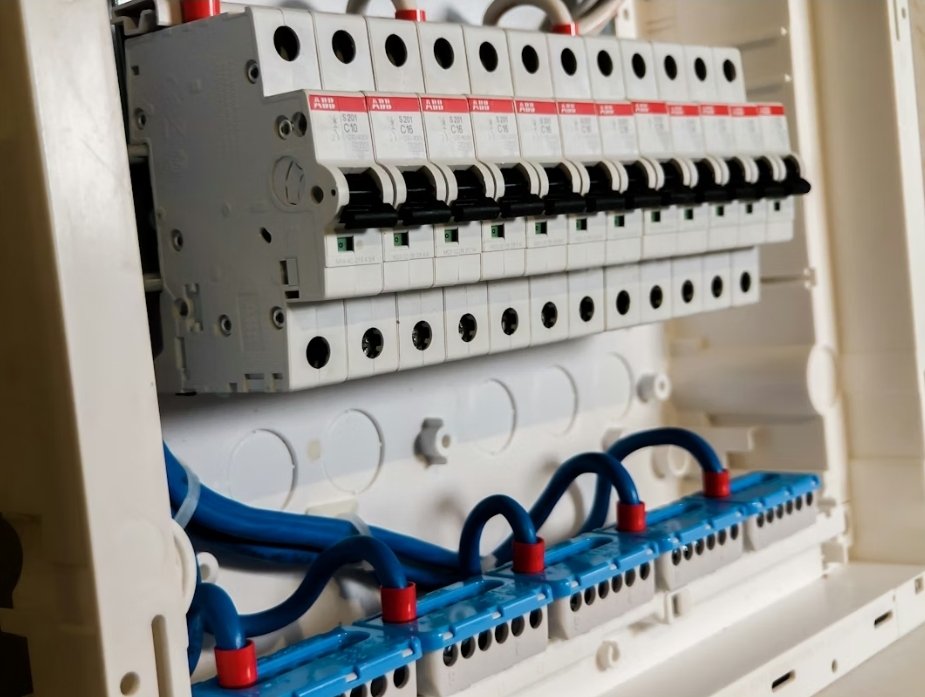
Let’s be honest: most of us treat the electricity in our homes like a moody teenager. We ignore it as long as it’s doing what it’s supposed to, and we only pay attention when it starts screaming or refuses to work. You flick a switch, and instead of light, you get…nothing. Or worse, your safety switch trips for the fifth time today just because you dared to make toast while drying your hair.
While these little interruptions are excellent at ruining your morning routine, they aren’t just the house’s way of testing your patience. They are usually distress signals from deep within your walls. Electricity is a modern miracle, but it’s also a high-stakes invisible force that really, really wants to escape its copper cages. And when it does, it gets dangerous fast.
This is where “electrical fault finding” comes in. What is electrical fault finding? Think of it as detective work, but with less noir narration and more multimeters. It isn’t just about fixing a dead outlet; it’s a specialised hunt for the Gremlins chewing on your wires.
The Usual Suspects: Common Electrical Faults
Your electrical system is basically a giant spiderweb of wires that are slowly, inevitably aging. In the wild world of household wiring, there are a few usual suspects that tend to cause chaos.
First, we have the Short Circuit. This happens when a live wire gets a little too friendly with a neutral wire. The result? A massive surge of current that trips breakers and, if you’re particularly unlucky, tries to start a bonfire inside your wall.
Then there’s the Earth Fault, where a live wire touches the earth wire or a metal bit of an appliance. This turns your toaster into a spicy, electrified trap for the unwary. Not ideal.
We also see a lot of Loose Connections. Wires expand and contract with heat, and over time, terminals get loose. This leads to arcing (mini lightning) and overheating.
And finally, the classic Overloaded Circuit. If you live in an older home and try to run a gaming PC, an air fryer, and a space heater off one plug, you are asking for trouble. The wires heat up, the insulation melts, and the “magic smoke” escapes.
How the Pros Do It
When you call a licensed electrician, they don’t just start ripping holes in the drywall hoping for the best. They follow a process.
It usually starts with an interrogation – we mean, a conversation. They’ll ask you when the problem happens. Does the power die when it rains? When you run the microwave? This isn’t small talk; it’s gathering evidence.
Next comes the visual inspection. They look for the obvious stuff: scorched outlets (a bad sign), melted plastic (a worse sign), or exposed copper. If the culprit is hiding, they bring out the toys. Using tools like insulation resistance testers, they measure where the electricity is leaking. Once they find the leak, they can isolate that specific circuit and fix it without you having to live in total darkness for three days.
Why You Shouldn’t Wait for the “Big Boom”
Waiting for your power to fail completely before calling an electrician is a bold strategy. It’s also a terrible one.
Regular fault finding is the adult, responsible thing to do. The biggest benefit? Not burning your house down. Faulty wiring loves to start fires, and catching a worn-out component early is much cheaper than rebuilding your living room.
Proactive maintenance also saves your wallet from the trauma of emergency call-out fees. Fixing a loose screw is cheap; rewiring a melted circuit is not. Plus, for business owners and landlords, it’s a legal requirement. You need that paperwork to prove you didn’t negligence your way into an insurance claim.
Save Your Home (and Your Sanity)
Electrical problems don’t fix themselves. That buzzing outlet isn’t going to get better with positive thinking. If your home is acting up, or if your wiring is older than your parents, book a professional fault finding service. It’s the smartest way to ensure your lights stay on, and the fire stays in the fireplace – where it belongs.