

Industrial operations depend heavily on stable and reliable electrical power. Manufacturing plants, processing facilities, data driven industries, and heavy engineering units require uninterrupted energy to maintain productivity, safety, and equipment performance. Even a brief power disturbance can lead to production losses, equipment damage, and safety risks.
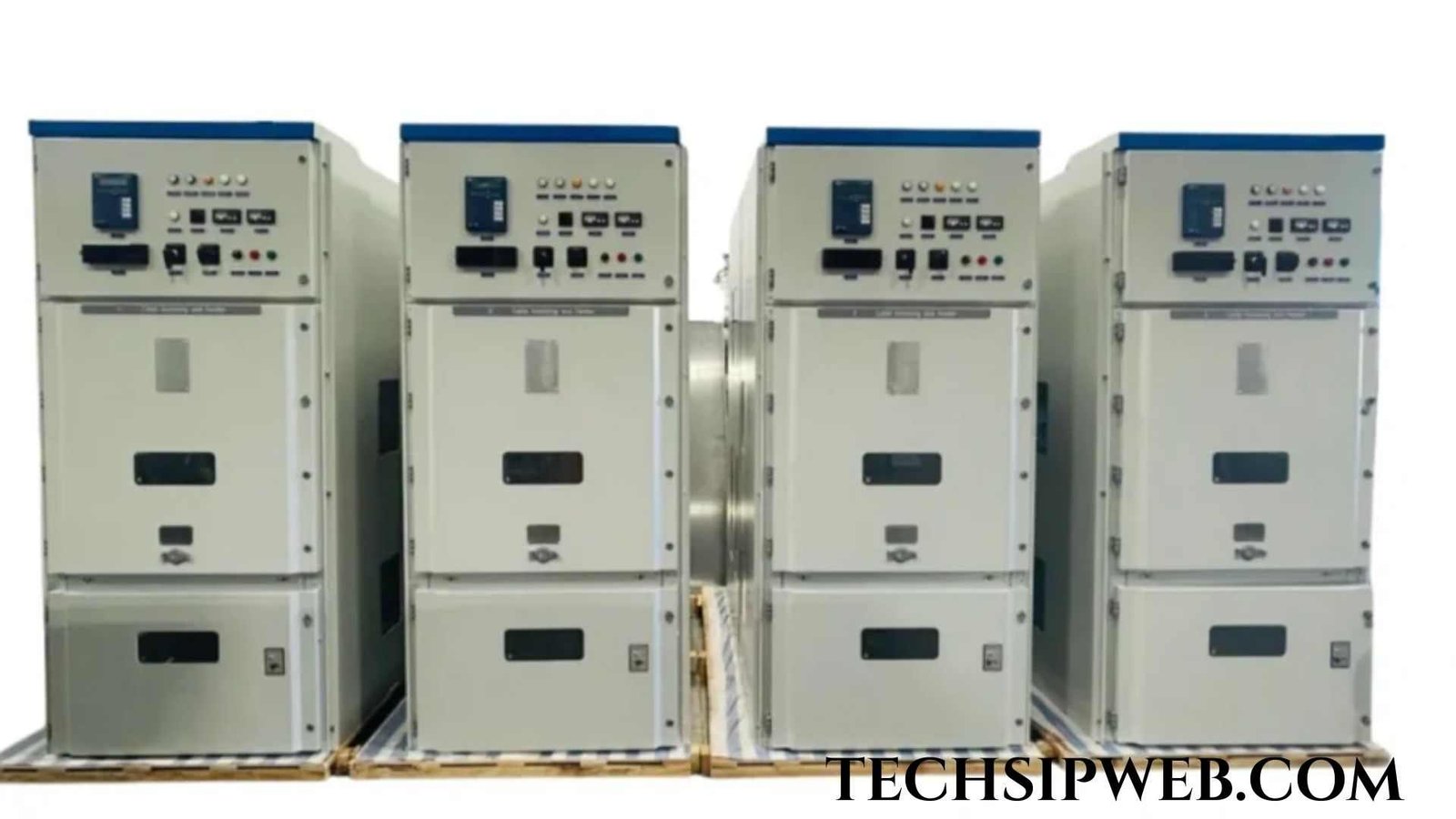
At the core of effective industrial power management are switch gear systems. Switch gear systems control, protect, and manage electrical power distribution across industrial facilities. Their role goes beyond basic switching, as they ensure operational continuity, fault protection, and efficient energy utilization in demanding industrial environments.
This article explains why switch gear systems are critical for industrial power management and how they support safety, reliability, and long term operational efficiency.
Understanding Industrial Power Management
Industrial power management involves the planning, control, and optimization of electrical power within an industrial facility. Unlike residential or commercial power usage, industrial systems operate with high loads, complex machinery, and continuous duty cycles.
Key objectives of industrial power management include:
- Ensuring uninterrupted power supply
- Protecting equipment from electrical faults
- Managing peak loads efficiently
- Supporting safe maintenance activities
- Reducing energy losses and downtime
Switch gear systems serve as the foundation that enables these objectives to be achieved consistently.
What Are Switch Gear Systems
Switch gear systems consist of interconnected electrical devices designed to control, protect, and isolate electrical equipment. In industrial settings, these systems handle medium voltage and low voltage power distribution while meeting strict safety and performance requirements.
Primary functions of switch gear systems include:
- Switching electrical circuits during normal operation
- Interrupting power during fault conditions
- Isolating equipment for maintenance
- Monitoring electrical parameters
Their ability to respond quickly and reliably makes them essential in industrial power management.
The Role of Switch Gear Systems in Industrial Safety
Safety is a top priority in industrial environments due to the presence of high voltage equipment, heavy machinery, and human interaction.
Switch gear systems enhance safety by:
- Preventing electrical overloads and short circuits
- Automatically disconnecting faulty equipment
- Reducing the risk of electrical fires
- Providing safe isolation points for maintenance teams
Modern switch gear systems often feature enclosed designs that minimize exposure to live components, significantly reducing the risk of accidents.
Protecting Industrial Equipment from Electrical Faults
Industrial equipment represents a major capital investment. Motors, transformers, drives, and control systems are vulnerable to electrical faults that can shorten their lifespan or cause permanent damage.
Switch gear systems protect equipment by:
- Detecting abnormal current and voltage conditions
- Isolating faults before they escalate
- Preventing cascading failures across the network
- Reducing thermal and mechanical stress on components
This protection helps maintain equipment reliability and lowers long term maintenance costs.
Ensuring Operational Continuity and Productivity
Unplanned downtime is one of the biggest challenges in industrial operations. Power interruptions can halt production lines, disrupt supply chains, and lead to significant financial losses.
Switch gear systems support continuity by:
- Enabling fast fault clearance
- Allowing selective isolation of affected circuits
- Supporting quick restoration of power
- Facilitating network reconfiguration during outages
By minimizing downtime, switch gear systems directly contribute to improved productivity and operational efficiency.
Managing High Electrical Loads Effectively
Industrial facilities often experience fluctuating power demands due to varying production cycles and equipment usage.
Switch gear systems help manage these loads by:
- Distributing power evenly across circuits
- Preventing overload conditions
- Supporting load shedding strategies
- Enhancing system stability during peak demand
Effective load management reduces the risk of failures and improves overall energy efficiency.
Supporting Preventive and Predictive Maintenance
Maintenance is critical for sustaining industrial power systems. Switch gear systems play a key role in enabling both preventive and predictive maintenance strategies.
They support maintenance by:
- Providing safe isolation for equipment servicing
- Allowing condition monitoring through sensors
- Enabling early detection of potential issues
- Reducing the need for emergency repairs
With proper maintenance support, industrial facilities can extend the lifespan of electrical assets and reduce unexpected shutdowns.
Enhancing Energy Efficiency and Cost Control
Energy costs represent a significant portion of industrial operating expenses. Poor power management can lead to losses, inefficiencies, and higher utility bills.
Switch gear systems contribute to energy efficiency by:
- Reducing transmission and distribution losses
- Supporting power factor correction systems
- Enabling efficient load distribution
- Minimizing energy waste during faults
Improved energy efficiency leads to lower operational costs and supports sustainability goals.
Adapting to Modern Industrial Automation
Industrial facilities are increasingly adopting automation, digital control systems, and smart manufacturing technologies.
Modern switch gear systems support automation by:
- Integrating with digital monitoring platforms
- Providing real time power data
- Supporting remote operation and control
- Enhancing coordination with industrial control systems
This integration enables better decision making and improved power system visibility.
Handling Harsh Industrial Environments
Industrial environments often expose electrical systems to harsh conditions such as dust, moisture, vibration, and temperature extremes.
Switch gear systems are designed to withstand these challenges by:
- Using robust enclosures and materials
- Offering protection against environmental contaminants
- Ensuring stable performance under demanding conditions
- Supporting indoor and outdoor installations
This durability ensures reliable operation even in challenging industrial settings.
Compliance with Industrial Standards and Regulations
Industrial power systems must comply with strict safety and performance standards to ensure legal and operational compliance.
Switch gear systems help meet these requirements by:
- Adhering to international and regional standards
- Supporting proper documentation and testing
- Ensuring safe and consistent operation
- Reducing regulatory risks and liabilities
Compliance not only ensures safety but also enhances system credibility and reliability.
Scalability and Future Expansion
Industrial facilities often expand or modify operations over time. Power systems must be capable of accommodating these changes without major disruptions.
Switch gear systems support scalability by:
- Offering modular design options
- Allowing easy addition of new circuits
- Supporting increased load capacity
- Enabling flexible system upgrades
This scalability makes switch gear systems a long term investment for industrial power management.
Reducing Risk and Improving Asset Protection
Electrical failures can lead to significant risks, including production loss, safety incidents, and financial damage.
Switch gear systems reduce these risks by:
- Providing reliable fault protection
- Enhancing system monitoring and control
- Preventing widespread equipment damage
- Improving overall power system resilience
A well designed switch gear system from Meta Power Solutions acts as a safeguard for industrial assets and operations.
Conclusion
Switch gear systems are critical for effective industrial power management, serving as the backbone of safe, reliable, and efficient electrical distribution. Their role extends beyond simple switching to include protection, control, monitoring, and optimization of industrial power systems.
By enhancing safety, protecting equipment, supporting automation, and ensuring operational continuity, switch gear systems help industries achieve higher productivity and lower operational risks. As industrial power demands continue to grow, investing in advanced and well maintained switch gear systems will remain essential for sustainable and resilient industrial operations.
Understanding their importance allows industrial decision makers to implement power management strategies that support long term growth, safety, and efficiency.
Looking for more Article? Check out my website for the latest content.